10 years of hybrid technology: how Suzuki made electrification accessible
In just a decade, Suzuki has profoundly transformed its range by making hybridisation a cornerstone of its strategy. As early as 2016, while the European market was still largely dominated by diesel, the Japanese manufacturer made a bold choice: to focus on simple, efficient and accessible hybrid technologies. Ten years later, this vision has become a reality, with more than 150,000 electrified vehicles sold in France and a range entirely focused on electrified powertrains.
2016: the move towards mild hybrid technology
When Suzuki launched its Smart Hybrid Vehicle by Suzuki (SHVS) technology in 2016, mild hybridisation was still in its infancy. Unlike complex and costly hybrid systems, the manufacturer developed a compact solution based on an integrated starter generator combined with a lithium-ion battery.
This technology assists the combustion engine during acceleration, recovers energy under braking and optimises the operation of the Stop & Start system. The objective is clear: to reduce fuel consumption and CO₂ emissions while maintaining ease of use and a controlled purchase price.
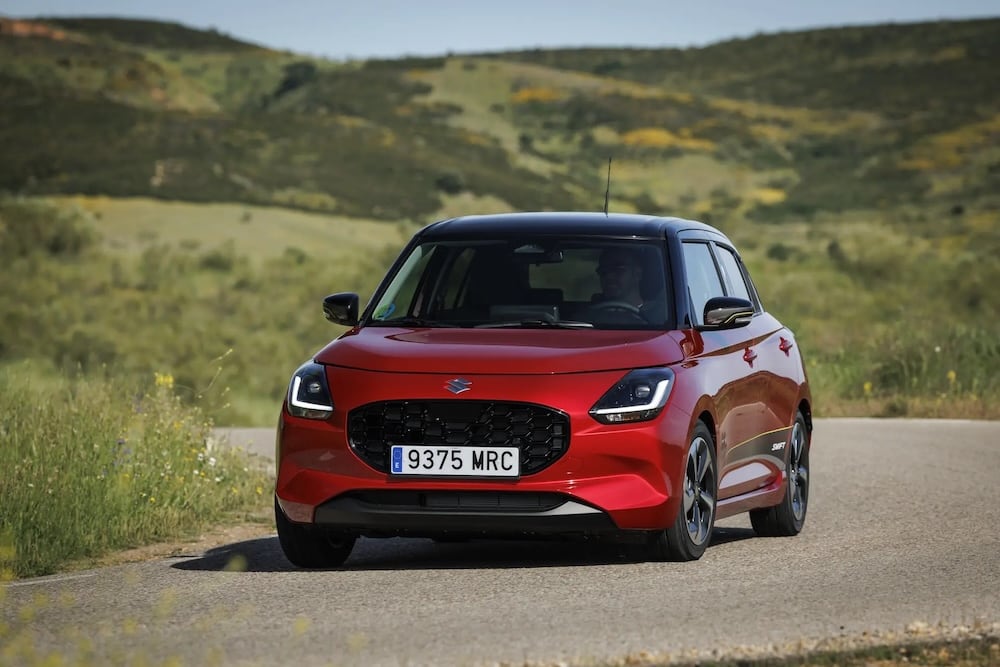
The Suzuki Baleno was the first to introduce this innovation, before being quickly joined by the Swift, one of the brand’s iconic models, which played a major role in raising awareness of this new generation of hybrid powertrains.
A 100% hybrid range from 2020
Suzuki then continued its development by adapting its various hybrid technologies to the needs of each model. In 2020, the brand reached an important milestone: its entire passenger car range sold in Europe became electrified.
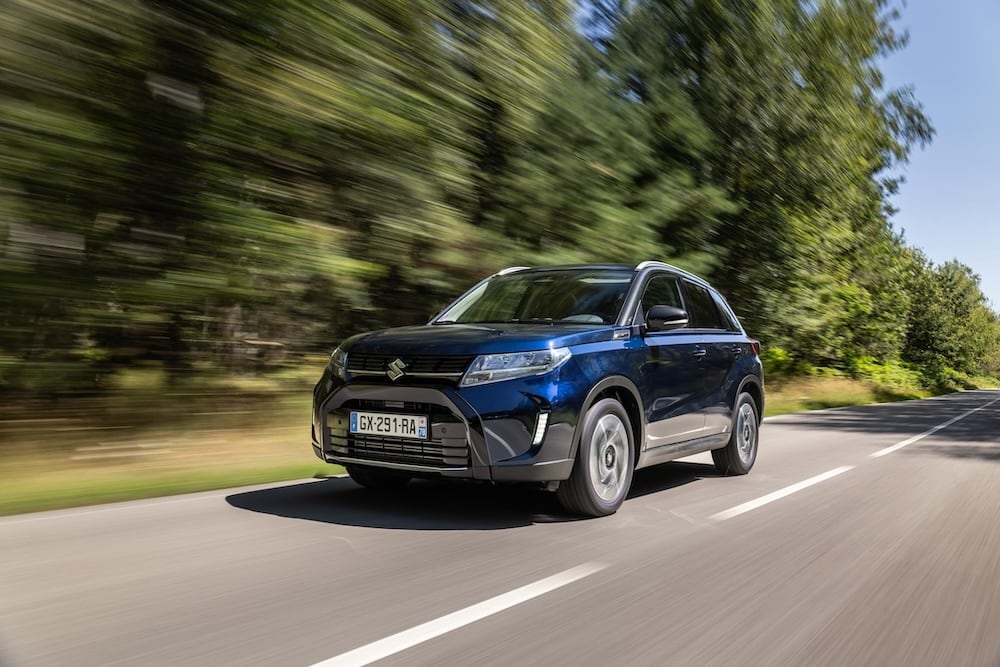
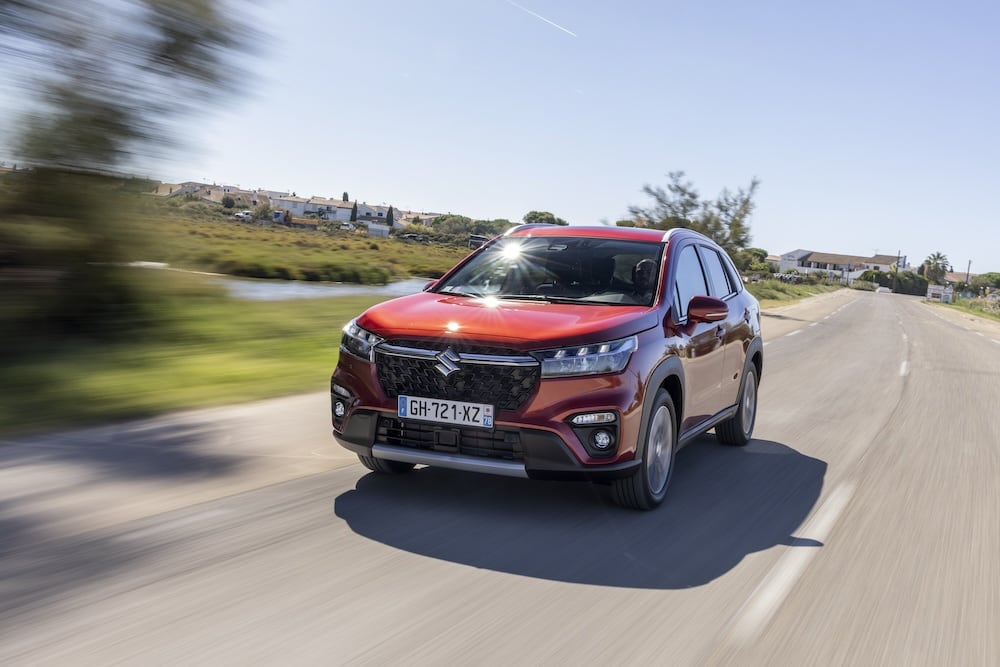
City cars adopted the SHVS 12 V system, while the Vitara and S-Cross SUVs benefited from 48 V mild hybrid technology, providing greater assistance to the combustion engine. At the same time, Suzuki expanded its offering with self-charging hybrid powertrains on the Swace and plug-in hybrid technology on the Across.
This strategy allows each driver to choose the level of electrification best suited to their daily use, without compromising the reliability and efficiency that characterise the brand.
A strategy rewarded by drivers
The success of this approach can now be measured in numbers. By the end of June 2026, Suzuki had surpassed the milestone of 150,000 electrified vehicles sold in France. Since 2016, nearly 60% of Suzuki vehicles registered in France have been hybrid models.
The Suzuki Swift stands out as the benchmark of this success, with 78,837 units sold, ahead of the Vitara (27,297 units) and the Ignis (24,430 units). These results illustrate drivers’ interest in hybrid technology designed above all to improve efficiency without making the driving experience more complex.
The arrival of the e Vitara opens a new chapter
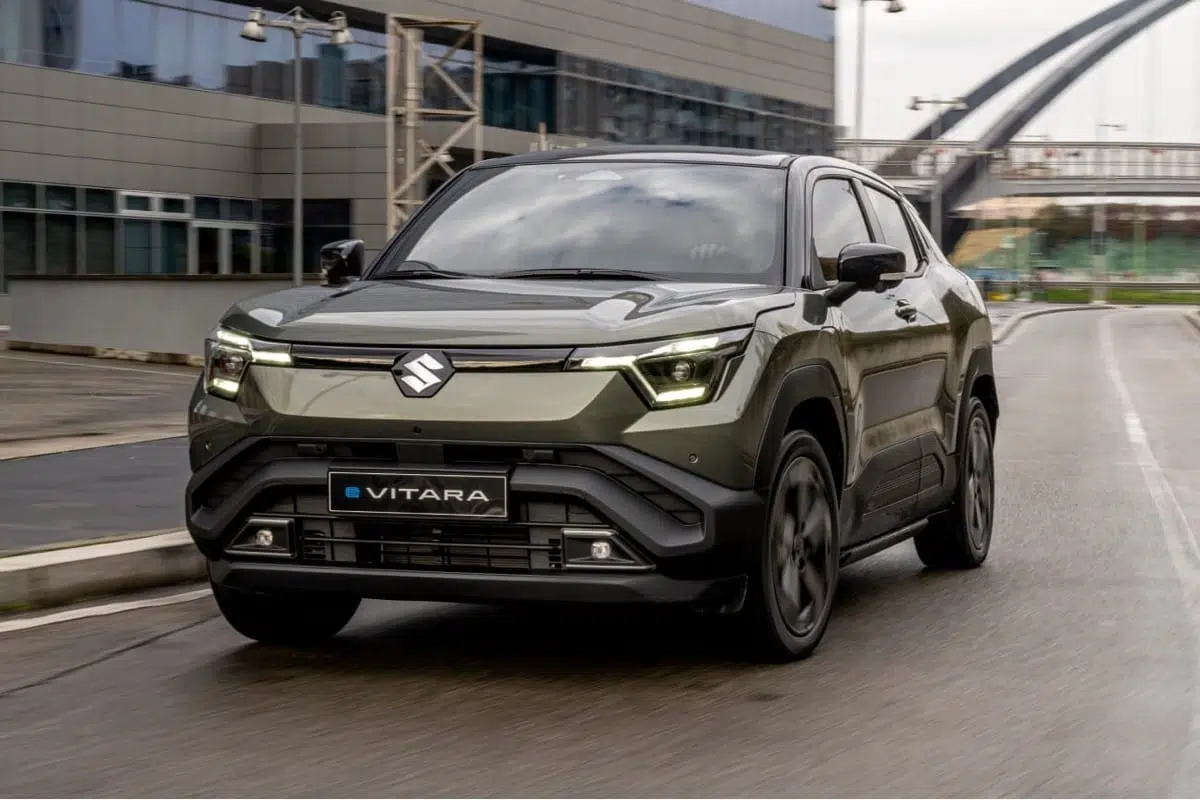
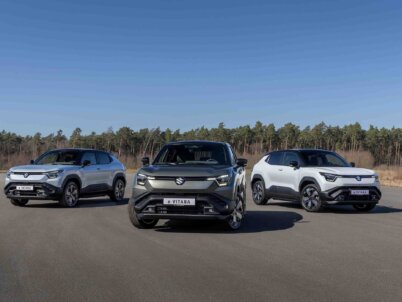
After making hybrid technology more widely accessible for ten years, Suzuki is now continuing its energy transition with the arrival of the new e Vitara, the brand’s first 100% electric SUV.
This new model complements an increasingly diverse range comprising the Swift Hybrid SHVS 12 V, the Vitara and S-Cross Hybrid SHVS 48 V, the self-charging Swace Hybrid and the Across Plug-in Hybrid, a new generation of which will soon be launched.
More than simply a change in powertrain, this evolution reflects a consistent philosophy: offering the most relevant technology for each type of use, while always seeking the best balance between performance, efficiency and accessibility. Ten years after launching its first hybrid system, Suzuki is continuing its commitment to increasingly efficient mobility while remaining true to its DNA.