Audi in Formula 1: the beginnings of an ambitious industrial and sporting project
Audi’s arrival in Formula 1 comes at a time of profound transformation for the sport, shaped by new technical and environmental regulations. For the German manufacturer, this move is not merely a sporting opportunity, but a strategic project aimed at showcasing its technological expertise on a global stage. By entering as a factory team, Audi intends to establish a long-term presence in the competition while supporting Formula 1’s evolution towards more sustainable and innovative solutions.
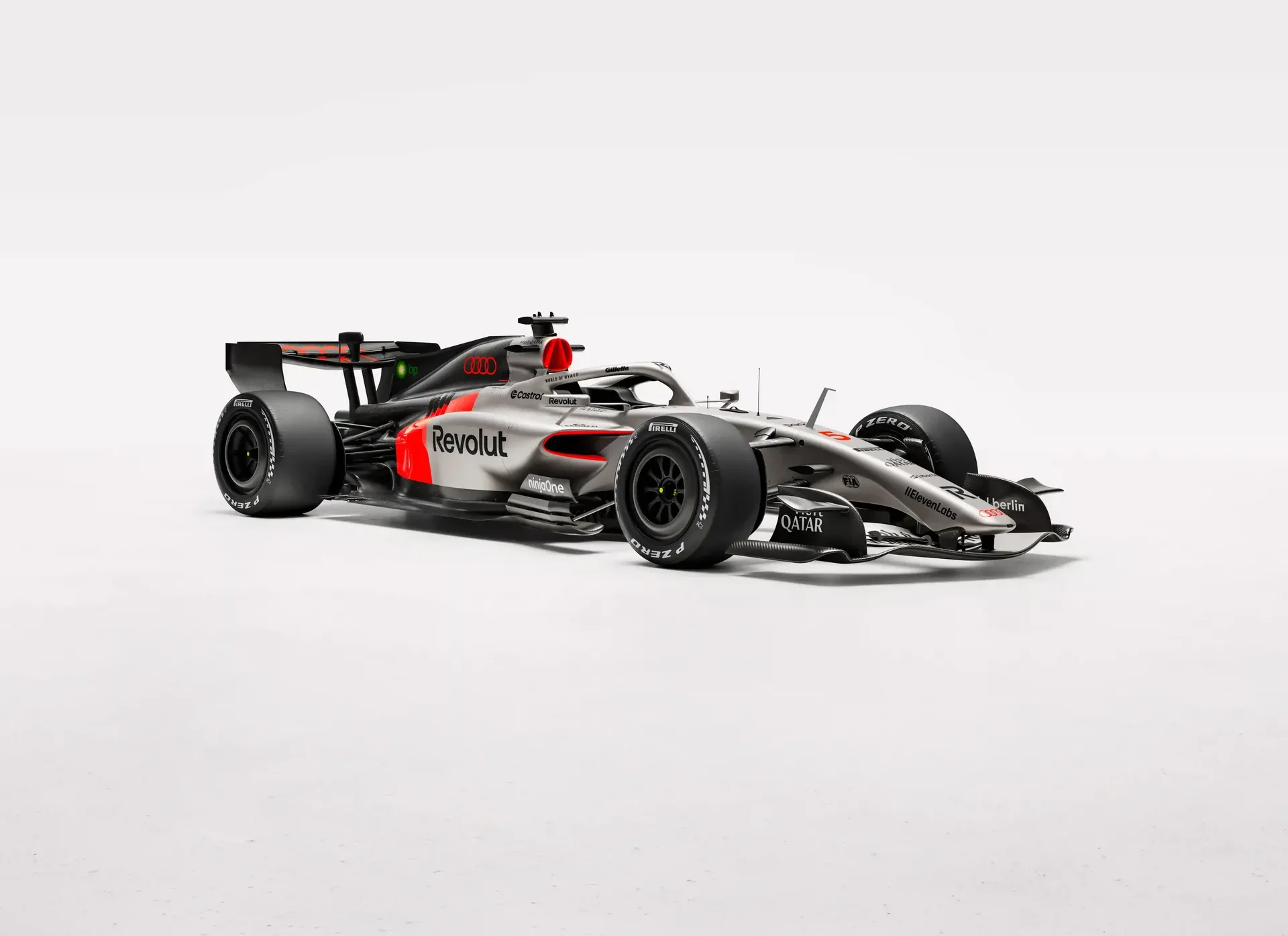
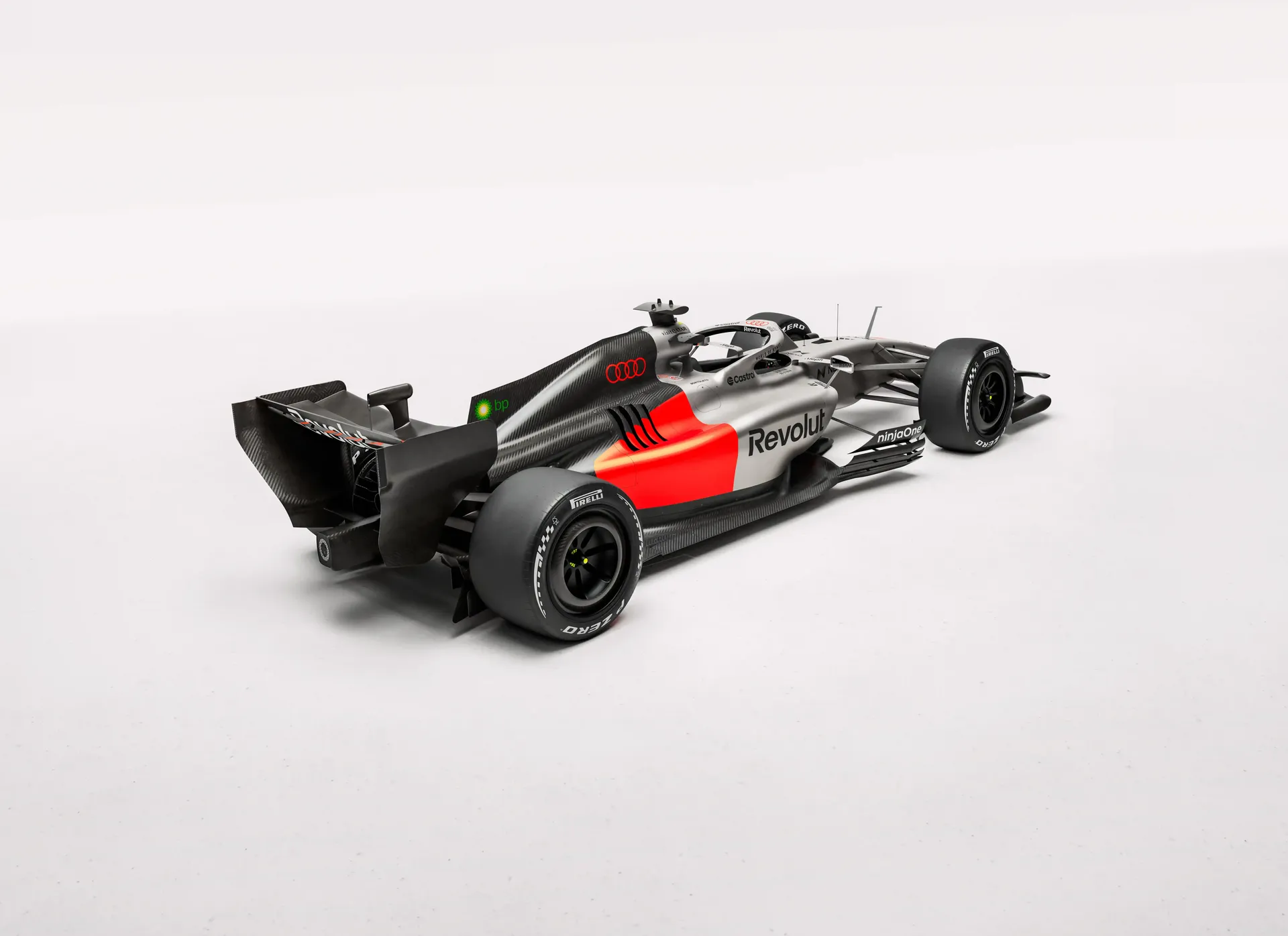
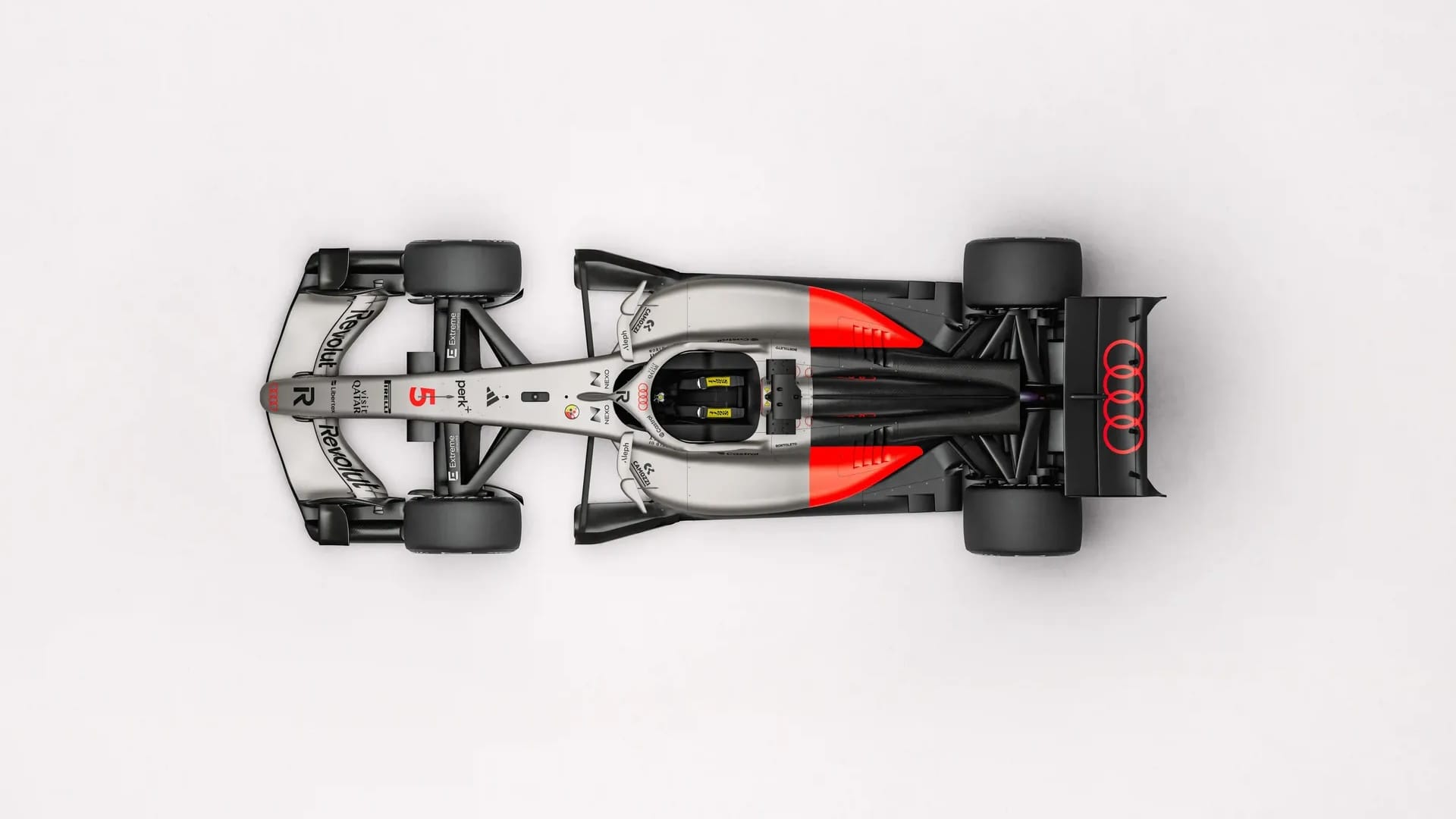
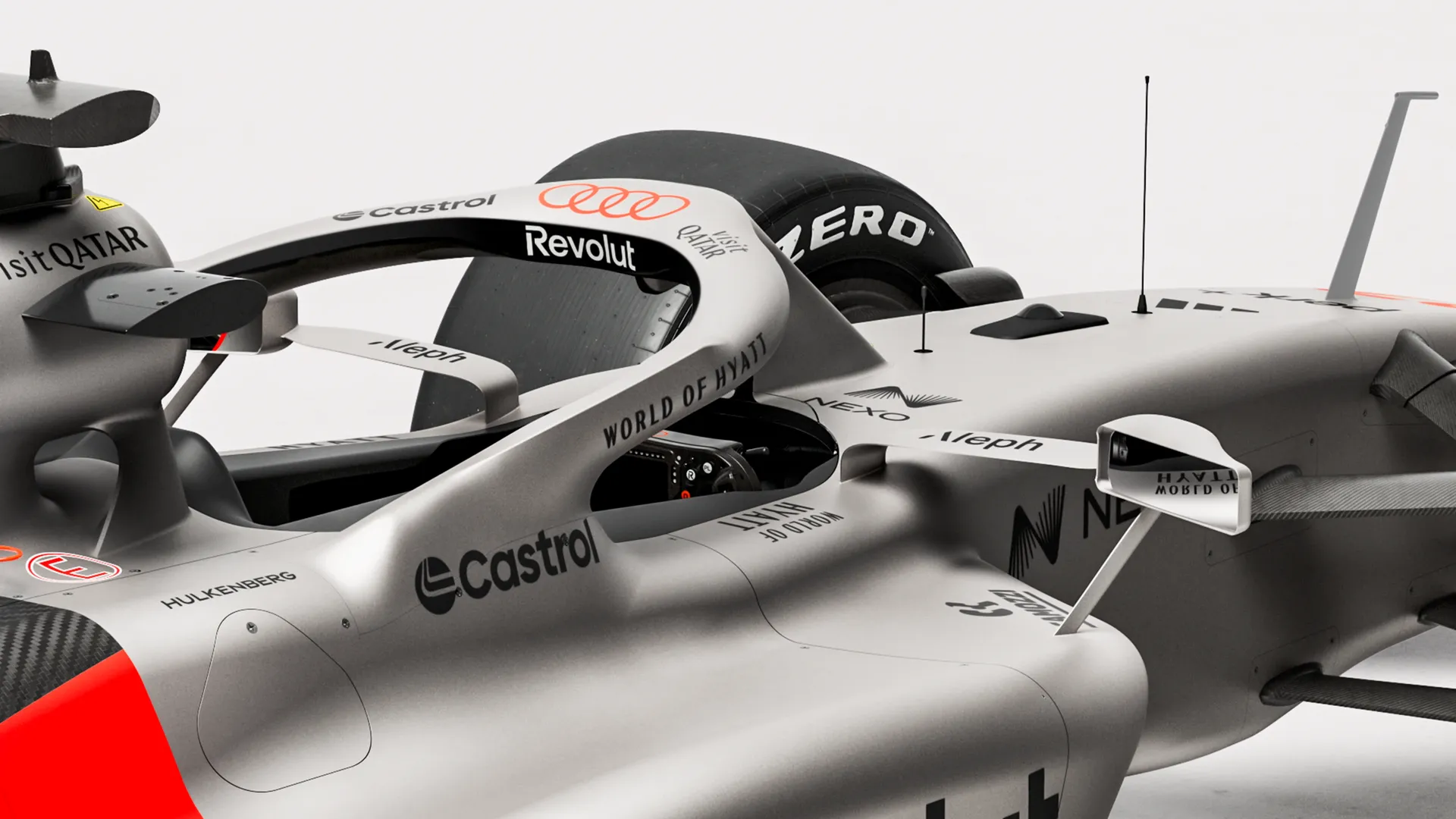
A factory programme built around a new-generation single-seater
Audi’s entry into Formula 1 represents one of the most significant developments in the sport as it approaches a new regulatory cycle. Officially set for 2026, this move is part of a broader strategy focused on technological transformation and brand positioning, with direct involvement as a factory team. To support this ambition, Audi is progressively acquiring Sauber, a structure renowned for its engineering expertise and chassis development capabilities.
The single-seater developed for this new era is based on a balance between performance and energy efficiency. At the heart of the project lies a fully in-house hybrid power unit, developed at Audi’s Neuburg an der Donau facility. This strategic decision allows Audi to control the entire technological chain. The engine complies with the 2026 regulations, which include increased electrification and the introduction of 100% sustainable fuels. The challenge is twofold: remaining competitive against established power unit manufacturers while embodying a more responsible vision of motorsport.
On the chassis side, Sauber’s heritage plays a key role. The Swiss team brings expertise in aerodynamics, simulation and race operations, all essential elements for optimising performance in such a demanding environment. The gradual integration of teams, the expansion of infrastructure and the coordination between technical departments reflect a methodical approach. Audi is not aiming for a symbolic presence, but for the development of a project capable of establishing itself sustainably within the championship hierarchy.
Cautious beginnings that reveal a project in development
Audi’s first two Grands Prix in Formula 1 have logically been approached as a learning phase, in a highly competitive environment. Facing teams that have been established for decades, the priority has been placed on reliability, system understanding and validation of the technical choices made during development.
From the opening race, the team achieved a key objective: both cars crossed the finish line. This result, often underestimated, is a crucial indicator for a new team, particularly in terms of power unit reliability and system integration. In terms of pure performance, the gap to the midfield remained limited, suggesting areas for improvement identified from the very first analyses.
The second Grand Prix confirmed this trend, with a noticeable improvement in overall weekend execution. Qualifying sessions showed better control of setup, while race pace proved more consistent, particularly in tyre management and strategic execution. Although points were still out of reach, the team managed to close certain gaps and refine its understanding of key performance parameters.
These early results reflect a reality common to any new Formula 1 team: progress is gradual, and each race weekend provides valuable insights. For Audi, the priority lies in capitalising on this data, accelerating the development of the car and strengthening operational cohesion. In a championship where marginal gains make the difference, these early, discreet results lay the foundations for the progress expected over the course of the season.